Electronics Courses
Electronics courses can help you learn circuit design, signal processing, microcontroller programming, and PCB layout. You can build skills in troubleshooting electronic systems, implementing embedded systems, and using simulation software to test designs. Many courses introduce tools like Arduino for prototyping, oscilloscopes for analyzing signals, and CAD software for designing circuit boards, all of that support creating functional electronic devices.
Popular Electronics Courses and Certifications
 Status: New
Birla Institute of Technology & Science, Pilani
Skills you'll gain: Electronic Systems, Semiconductors, Basic Electrical Systems, Electrical Engineering, Electronics, Electronic Components, Electronics Engineering, Power Electronics, Electrical Systems, Engineering Analysis, Network Analysis, Engineering Calculations, Control Systems, Applied Mathematics
 Status: Preview
Georgia Institute of Technology
Skills you'll gain: Electronic Components, Semiconductors, Electronics, Electrical Engineering, Basic Electrical Systems, Electronics Engineering, Engineering Analysis, Schematic Diagrams
 Status: Free Trial
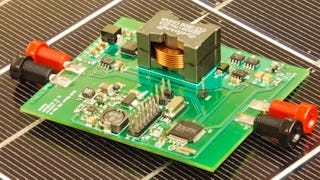
University of Colorado Boulder
Skills you'll gain: Power Electronics, Electronic Systems, Electrical Engineering, USB, Electrical Systems, Electronics, Electric Power Systems, Simulation and Simulation Software, Basic Electrical Systems
 Status: Free Trial
University of Colorado Boulder
Skills you'll gain: Power Electronics, Control Systems, USB, Electronic Systems, Simulations, Engineering Documentation, Semiconductors, Electrical Engineering, Engineering Design Process, Electrical Systems, Electronic Components, Electrical Power, Hardware Design, Electronics, Technical Communication, Electronics Engineering, electromagnetics, Electric Power Systems, Simulation and Simulation Software, Design Specifications
 Status: Free Trial
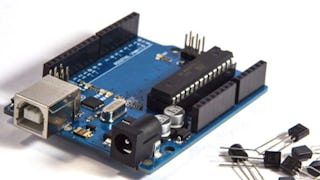
University of California, Irvine
Skills you'll gain: Internet Of Things, Basic Electrical Systems, Automation Engineering, Electronics, Electronic Components, Embedded Systems, Control Systems, Electronic Hardware, Wireless Networks, Electrical and Computer Engineering, Hardware Design, Peripheral Devices, Human Machine Interfaces, Electrical Wiring, Computer Systems, Programming Principles, Systems Engineering, Computer Programming, Remote Access Systems, Interactive Learning
 Status: Free Trial
University of Colorado Boulder
Skills you'll gain: Control Systems, Process Control, Machine Controls, Engineering, Scientific, and Technical Instruments, Embedded Systems, Electronic Hardware, Embedded Software, Automation Engineering, Hardware Design, Electronics Engineering, Manufacturing Processes, Basic Electrical Systems, Electronic Systems, Electronics, Electrical Systems, Electrical and Computer Engineering, Electronic Components, Power Electronics, Three-Phase, Torque (Physics)
What brings you to Coursera today?
 Status: Preview
Universitat Autònoma de Barcelona
Skills you'll gain: Computer Architecture, Systems Design, Technical Design, Application Specific Integrated Circuits, Digital Design, Hardware Architecture, Computer Hardware, Verification And Validation
 Status: Free
Columbia University
Skills you'll gain: Semiconductors, Electronics, Electronics Engineering, Electronic Components, Simulation and Simulation Software, Electrical Engineering, Simulations, Mathematical Modeling, Model Evaluation, Differential Equations, Calculus
 Status: Preview
Georgia Institute of Technology
Skills you'll gain: Basic Electrical Systems, Electronic Components, Electrical Systems, Electronic Systems, Electrical Engineering, Engineering Analysis, Electronics, Engineering Calculations, Physics, Schematic Diagrams
 Status: Free Trial
University of Colorado Boulder
Skills you'll gain: Power Electronics, Electronic Systems, Control Systems, Electrical Engineering, electromagnetics, Electronics Engineering, Electric Power Systems, Electronics, Engineering Analysis, Simulations, Simulation and Simulation Software, Mathematical Modeling, Systems Analysis, Electrical Systems, Computer-Aided Design, Matlab, Technical Design, Systems Design, Verification And Validation, Design Specifications
 Status: Free Trial
Skills you'll gain: Embedded Software, C (Programming Language), Embedded Systems, Debugging, Peripheral Devices, Integrated Development Environments, Computer Programming Tools, Development Environment, System Programming, Electronics, Software Development Tools, Hardware Architecture, Data Structures, Electronic Hardware, Microarchitecture, Programming Principles, Performance Tuning, Computer Architecture, Control Systems, Computer Programming

Skills you'll gain: Electronics, Electronic Components, Basic Electrical Systems, Electronic Hardware, Electronics Engineering, Electronic Systems, Electrical Engineering, Laboratory Experience, Hardware Troubleshooting, Engineering Design Process
In summary, here are 10 of our most popular electronics courses
- Basic Electronics: Birla Institute of Technology & Science, Pilani
- Introduction to Electronics: Georgia Institute of Technology
- Introduction to Power Electronics: University of Colorado Boulder
- Power Electronics: University of Colorado Boulder
- Interfacing with the Arduino: University of California, Irvine
- Embedding Sensors and Motors: University of Colorado Boulder
- Digital Systems: From Logic Gates to Processors: Universitat Autònoma de Barcelona
- MOS Transistors: Columbia University
- Linear Circuits 1: DC Analysis: Georgia Institute of Technology
- Modeling and Control of Power Electronics: University of Colorado Boulder










