• For Individuals
  • For Businesses
  • For Universities
  • For Governments
Degrees
Log In
Join for Free
  • Browse
  • Microbiology

Microbiology Courses

Microbiology courses can help you learn about microbial physiology, genetics, and ecology, as well as the roles of microorganisms in health and disease. You can build skills in laboratory techniques like culturing, staining, and microscopy, along with data analysis for interpreting microbial behavior. Many courses introduce tools such as PCR machines, bioinformatics software, and various types of microscopy, that support conducting experiments and analyzing results in real-world applications.


Popular Microbiology Courses and Certifications


  • Status: Preview
    Preview
    T

    Technical University of Denmark (DTU)

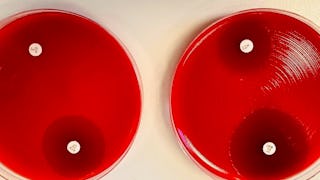
    Antimicrobial resistance - theory and methods

    Skills you'll gain: Laboratory Testing, Quality Assurance, Microbiology, Infectious Diseases, Bioinformatics, Medical Laboratory, Molecular, Cellular, and Microbiology, Epidemiology, Public Health and Disease Prevention, Data Quality, Medical Science and Research, Biology, Public Health

    4.7
    Rating, 4.7 out of 5 stars
    ·
    2.6K reviews

    Intermediate · Course · 1 - 3 Months

  • Status: New
    New
    Status: Free Trial
    Free Trial
    L

    Lecturio

    Microbiology Foundations

    Skills you'll gain: Microbiology, Infection Control, Infectious Diseases, Hand Hygiene, Bloodborne Pathogens, Public Health and Disease Prevention, Immunology, Biology, Molecular Biology, Cell Biology, Taxonomy

    Intermediate · Course · 1 - 3 Months

  • Status: Preview
    Preview
    U

    University of Copenhagen

    Bacteria and Chronic Infections

    Skills you'll gain: Microbiology, Molecular, Cellular, and Microbiology, Infectious Diseases, Biology, Infection Control, Chronic Diseases, Diagnostic Tests, Pharmacology

    4.7
    Rating, 4.7 out of 5 stars
    ·
    2K reviews

    Mixed · Course · 1 - 3 Months

  • Status: Preview
    Preview
    U

    University of Colorado Boulder

    Gut Check: Exploring Your Microbiome

    Skills you'll gain: Microbiology, Health Informatics, Big Data, Biostatistics, Data Analysis, Immunology, Molecular Biology, Nutrition and Diet, Biology, Specimen Collection

    4.7
    Rating, 4.7 out of 5 stars
    ·
    1.2K reviews

    Beginner · Course · 1 - 3 Months

  • Status: Preview
    Preview
    U

    University of Manchester

    Industrial Biotechnology

    Skills you'll gain: Biotechnology, Sustainable Technologies, Process Engineering, Molecular Biology, Chemical Engineering, Sustainable Engineering, Life Sciences, Biochemistry, Pharmaceuticals, Biomedical Engineering, Materials science, Scalability

    4.7
    Rating, 4.7 out of 5 stars
    ·
    3.6K reviews

    Beginner · Course · 1 - 3 Months

  • Status: Free
    Free
    U

    University of Virginia

    Bacterial Bioinformatics

    Skills you'll gain: Bioinformatics, Data Analysis Software, Scientific Visualization, Taxonomy, Data Integration, Data Import/Export

    4.7
    Rating, 4.7 out of 5 stars
    ·
    289 reviews

    Intermediate · Course · 1 - 3 Months

What brings you to Coursera today?

  • Status: Free Trial
    Free Trial
    I

    Imperial College London

    Foundations in Virology and Vaccinology

    Skills you'll gain: Immunology, Infectious Diseases, Molecular Biology, Epidemiology, Microbiology, Public Health, Drug Development, Biotechnology, Medical Science and Research, Climate Change Programs, Cell Biology, Health Disparities, Biology, Clinical Trials, Laboratory Research, Pharmacology, Public Health and Disease Prevention, New Product Development, Emerging Technologies, Manufacturing Processes

    4.9
    Rating, 4.9 out of 5 stars
    ·
    85 reviews

    Intermediate · Specialization · 3 - 6 Months

  • Status: Preview
    Preview
    U

    University of Leeds

    Transmitting and Fighting Infectious Diseases

    Skills you'll gain: Infectious Diseases, Microbiology, Immunology, Pathology, Infection Control, Pharmacology, Epidemiology, Public Health and Disease Prevention, Molecular, Cellular, and Microbiology, Cell Biology

    4.7
    Rating, 4.7 out of 5 stars
    ·
    53 reviews

    Beginner · Course · 1 - 4 Weeks

  • Status: Preview
    Preview
    T

    Technical University of Denmark (DTU)

    Whole genome sequencing of bacterial genomes - tools and applications

    Skills you'll gain: Bioinformatics, Molecular Biology, Microbiology, Infectious Diseases, Medical Science and Research, Database Development, Taxonomy, Data Pipelines

    4.6
    Rating, 4.6 out of 5 stars
    ·
    1.6K reviews

    Beginner · Course · 1 - 3 Months

  • Status: Free Trial
    Free Trial
    J

    Johns Hopkins University

    Cancer Biology

    Skills you'll gain: Oncology, Medical Imaging, Patient Education And Counseling, Diagnostic Radiology, Radiation Therapy, Molecular Biology, Diagnostic Tests, Clinical Trials, Pain Management, Preventative Care, Treatment Planning, Urology, Patient Treatment, Immunology, Epidemiology, Surgery, Cell Biology, Care Management, Biology, Pathology

    4.8
    Rating, 4.8 out of 5 stars
    ·
    9.8K reviews

    Beginner · Specialization · 3 - 6 Months

  • Status: Free Trial
    Free Trial
    R

    Rice University

    Introduction to Biology: Ecology, Evolution, & Biodiversity

    Skills you'll gain: Biology, Environment, Microbiology, Environmental Science, Life Sciences, Environmental Issue, Sustainable Development, Natural Resource Management, Physiology, Molecular Biology, Taxonomy, Cell Biology, Anatomy, Climate Change Adaptation, Estimation, Mathematical Modeling, Scientific Methods, Experimentation

    4.8
    Rating, 4.8 out of 5 stars
    ·
    253 reviews

    Beginner · Specialization · 3 - 6 Months

  • Status: Free Trial
    Free Trial
    I

    Imperial College London

    Immunology: The Immune System and its Failures

    Skills you'll gain: Immunology, Infectious Diseases, Hematology, Physiology, Oncology, Microbiology, Molecular, Cellular, and Microbiology, Epidemiology, Internal Medicine, Chronic Diseases, Public Health and Disease Prevention, Geriatrics, Pathology, Pulmonology, Environment, Pharmacotherapy, Biology, Public Health, Molecular Biology, Cell Biology

    4.8
    Rating, 4.8 out of 5 stars
    ·
    380 reviews

    Intermediate · Specialization · 3 - 6 Months

Searches related to microbiology

microbiology foundations
1234…13

In summary, here are 10 of our most popular microbiology courses

  • Antimicrobial resistance - theory and methods: Technical University of Denmark (DTU)
  • Microbiology Foundations: Lecturio
  • Bacteria and Chronic Infections: University of Copenhagen
  • Gut Check: Exploring Your Microbiome: University of Colorado Boulder
  • Industrial Biotechnology: University of Manchester
  • Bacterial Bioinformatics: University of Virginia
  • Foundations in Virology and Vaccinology: Imperial College London
  • Transmitting and Fighting Infectious Diseases: University of Leeds
  • Whole genome sequencing of bacterial genomes - tools and applications: Technical University of Denmark (DTU)
  • Cancer Biology: Johns Hopkins University

Frequently Asked Questions about Microbiology

Microbiology is the study of microorganisms, which are tiny, often microscopic organisms that include bacteria, viruses, fungi, and protozoa. Understanding microbiology is crucial because these organisms play significant roles in various ecosystems, human health, and industry. For instance, beneficial bacteria are essential for digestion and nutrient absorption, while harmful pathogens can cause diseases. Additionally, microbiology is vital in fields such as medicine, agriculture, and biotechnology, where it contributes to advancements in health care, food production, and environmental sustainability.‎

A degree or training in microbiology can open doors to various career opportunities. Common job roles include microbiologist, clinical laboratory technician, quality control analyst, and research scientist. Microbiologists may work in laboratories, hospitals, or pharmaceutical companies, focusing on research, diagnostics, or product development. Other positions may involve teaching, regulatory affairs, or environmental monitoring. The demand for professionals in this field continues to grow, particularly in health care and biotechnology sectors.‎

To succeed in microbiology, you'll need a combination of technical and soft skills. Key technical skills include laboratory techniques, data analysis, and familiarity with microbiological tools and equipment. Additionally, a solid understanding of biology, chemistry, and genetics is essential. Soft skills such as critical thinking, problem-solving, and effective communication are also important, as they enable you to collaborate with colleagues and convey complex information clearly. Continuous learning and staying updated with the latest research and technologies in microbiology are equally vital.‎

There are several excellent online courses available for those interested in microbiology. One notable option is the Microbiology Foundations course, which provides a comprehensive introduction to the subject. Other courses may focus on specific applications of microbiology in health care, agriculture, or environmental science. When selecting a course, consider your current knowledge level and specific interests within the field to find the best fit for your learning journey.‎

Yes. You can start learning microbiology on Coursera for free in two ways:

  1. Preview the first module of many microbiology courses at no cost. This includes video lessons, readings, graded assignments, and Coursera Coach (where available).
  2. Start a 7-day free trial for Specializations or Coursera Plus. This gives you full access to all course content across eligible programs within the timeframe of your trial.

If you want to keep learning, earn a certificate in microbiology, or unlock full course access after the preview or trial, you can upgrade or apply for financial aid.‎

To learn microbiology effectively, start by identifying your learning goals and preferred study methods. You can enroll in online courses, read textbooks, or watch educational videos. Engaging in hands-on laboratory experiences, whether through formal education or virtual simulations, can enhance your understanding. Additionally, joining study groups or online forums can provide support and facilitate discussions with peers. Regularly reviewing and applying what you learn will help reinforce your knowledge and skills.‎

Microbiology courses typically cover a range of topics, including microbial physiology, genetics, ecology, and pathogenic microbiology. You may also explore laboratory techniques, such as culturing microorganisms, microscopy, and molecular biology methods. Other subjects might include the role of microbes in human health, food production, and environmental processes. Understanding these topics will provide a well-rounded foundation in microbiology and prepare you for various applications in the field.‎

For training and upskilling employees in microbiology, consider courses that focus on practical applications and industry relevance. Courses like Microbiology Foundations can provide essential knowledge for those in health care, pharmaceuticals, or food safety. Tailoring training programs to meet the specific needs of your workforce can enhance their skills and improve overall productivity in microbiology-related tasks.‎

This FAQ content has been made available for informational purposes only. Learners are advised to conduct additional research to ensure that courses and other credentials pursued meet their personal, professional, and financial goals.

Other topics to explore

Arts and Humanities
338 courses
Business
1095 courses
Computer Science
668 courses
Data Science
425 courses
Information Technology
145 courses
Health
471 courses
Math and Logic
70 courses
Personal Development
137 courses
Physical Science and Engineering
413 courses
Social Sciences
401 courses
Language Learning
150 courses

Coursera Footer

Skills

  • Artificial Intelligence (AI)
  • Cybersecurity
  • Data Analytics
  • Digital Marketing
  • English Speaking
  • Generative AI (GenAI)
  • Microsoft Excel
  • Microsoft Power BI
  • Project Management
  • Python

Certificates & Programs

  • Google Cybersecurity Certificate
  • Google Data Analytics Certificate
  • Google IT Support Certificate
  • Google Project Management Certificate
  • Google UX Design Certificate
  • IBM Data Analyst Certificate
  • IBM Data Science Certificate
  • Machine Learning Certificate
  • Microsoft Power BI Data Analyst Certificate
  • UI / UX Design Certificate

Industries & Careers

  • Business
  • Computer Science
  • Data Science
  • Education & Teaching
  • Engineering
  • Finance
  • Healthcare
  • Human Resources (HR)
  • Information Technology (IT)
  • Marketing

Career Resources

  • Career Aptitude Test
  • Examples of Strengths and Weaknesses for Job Interviews
  • High-Income Skills to Learn
  • How Does Cryptocurrency Work?
  • How to Highlight Duplicates in Google Sheets
  • How to Learn Artificial Intelligence
  • Popular Cybersecurity Certifications
  • Preparing for the PMP Certification
  • Signs You Will Get the Job After an Interview
  • What Is Artificial Intelligence?

Coursera

  • About
  • What We Offer
  • Leadership
  • Careers
  • Catalog
  • Coursera Plus
  • Professional Certificates
  • MasterTrack® Certificates
  • Degrees
  • For Enterprise
  • For Government
  • For Campus
  • Become a Partner
  • Social Impact
  • Free Courses
  • Share your Coursera learning story

Community

  • Learners
  • Partners
  • Beta Testers
  • Blog
  • The Coursera Podcast
  • Tech Blog

More

  • Press
  • Investors
  • Terms
  • Privacy
  • Help
  • Accessibility
  • Contact
  • Articles
  • Directory
  • Affiliates
  • Modern Slavery Statement
  • Do Not Sell/Share
Learn Anywhere
Download on the App Store
Get it on Google Play
Logo of Certified B Corporation
© 2025 Coursera Inc. All rights reserved.
  • Coursera Facebook
  • Coursera Linkedin
  • Coursera Twitter
  • Coursera YouTube
  • Coursera Instagram
  • Coursera TikTok