Results for "chemistry"
 Status: Free Trial
Lecturio
Skills you'll gain: Pharmacology, Chemistry, Biochemistry, Clinical Laboratory Science, Analytical Chemistry, Microbiology
 Status: Preview
Duke University
Skills you'll gain: Scientific Methods, Chemistry, General Science and Research, Science and Research, Systems Of Measurement, Physical Science, Analytical Chemistry, Experimentation
 Status: Preview
Duke University
Skills you'll gain: Chemistry, Analytical Chemistry, Physical Science, Systems Of Measurement, Scientific Methods, Mathematical Modeling
 Status: NewStatus: Preview
Technical University of Denmark (DTU)
Skills you'll gain: Biotechnology, Biological Engineering, Molecular, Cellular, and Microbiology, Manufacturing and Production, Process Engineering, Cell Cultures, Chemical Engineering, Bioinformatics, Production Process, Microbiology, Sustainable Technologies, Biochemistry, Sustainable Business, Cell Biology, Process Control, Sustainable Systems, Molecular Biology, Process Development
 Status: Free
Rice University
Skills you'll gain: Chemistry, General Science and Research, Physical Science, Physics, Scientific Methods, Experimentation
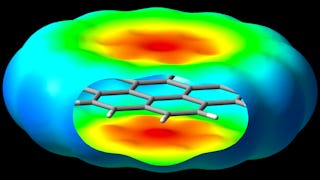 Status: Preview
University of Manchester
Skills you'll gain: Chemistry, Physical Science, Physics, Laboratory Experience, Experimentation, Mechanics, Applied Mathematics
What brings you to Coursera today?
 Status: Free Trial
Skills you'll gain: Quality Control, Statistical Process Controls, Laboratory Procedures, Laboratory Testing, Ideation, Market Analysis, Good Manufacturing Practices, Product Quality (QA/QC), Feasibility Studies, Chemistry, Quality Assurance, Regulatory Compliance, Quality Management, Performance Testing, Customer Insights, Safety Standards, Product Design, Biochemistry, Ethical Standards And Conduct, Biology
 Status: Free Trial
University of California, Davis
Skills you'll gain: Chemical Engineering, Hazard Analysis, Process Engineering, Occupational Hygiene, Hazard Communication (HazCom), Fire And Life Safety, Safety Assurance, Process Control, Occupational Health, Health And Safety Standards, Risk Management, Environment Health And Safety, Failure Analysis, Chemistry, Risk Analysis, Accident Prevention, Safety Standards, Electrical Safety, Risk Mitigation, Risk Control
 Status: Preview
University of Manchester
Skills you'll gain: Laboratory Experience, Analytical Testing, Analytical Chemistry, Biochemistry, Laboratory Techniques, Laboratory Procedures, Chemistry, Laboratory Equipment, Vibrations, electromagnetics, Physics, Systems Of Measurement, Structural Analysis
 Status: NewStatus: Free Trial
Interplay Learning
Skills you'll gain: HVAC, Thermal Management, Mechanical Engineering, Safety Training, Safety Standards, Energy and Utilities, Systems Of Measurement, Environmental Regulations, Chemistry, Maintenance, Repair, and Facility Services, Facility Repair And Maintenance, Test Equipment, System Monitoring, Physics, Facility Management and Maintenance, Physical Science
 Status: Preview
Nanyang Technological University, Singapore
Skills you'll gain: Criminal Investigation and Forensics, Chemistry, Investigation, Biochemistry, Laboratory Testing, Laboratory Research, Pharmacology, Science and Research, Laboratory Procedures, Molecular Biology
 Status: Free Trial
University of California, Davis
Skills you'll gain: Chemical Engineering, Process Engineering, Occupational Hygiene, Hazard Communication (HazCom), Hazard Analysis, Process Control, Occupational Health, Health And Safety Standards, Environment Health And Safety, Safety Assurance, Chemistry, Safety Standards, Accident Prevention, Personal protective equipment, Equipment Design, Risk Management
In summary, here are 10 of our most popular chemistry courses
- Chemistry: Lecturio
- Introduction to Chemistry: Reactions and Ratios: Duke University
- Introduction to Chemistry: Structures and Solutions: Duke University
- Industrial Biomanufacturing: From Cells to Products: Technical University of Denmark (DTU)
- General Chemistry: Concept Development and Application: Rice University
- Introduction to Physical Chemistry: University of Manchester
- Introduction to Cosmetic Science and Ingredients: Olay
- Chemical Hazards and Process Safety: University of California, Davis
- Introduction to Molecular Spectroscopy: University of Manchester
- Temperature, Pressure, and Heat: Interplay Learning










