Neurobiology Courses
Neurobiology courses can help you learn about neural pathways, brain structure, and neurotransmitter functions, along with the impact of genetics on behavior. You can build skills in experimental design, data analysis, and critical thinking, which are crucial for understanding complex biological systems. Many courses introduce tools like electrophysiology and neuroimaging techniques, that support conducting research and analyzing brain activity, allowing you to apply your knowledge in practical settings.
Popular Neurobiology Courses and Certifications
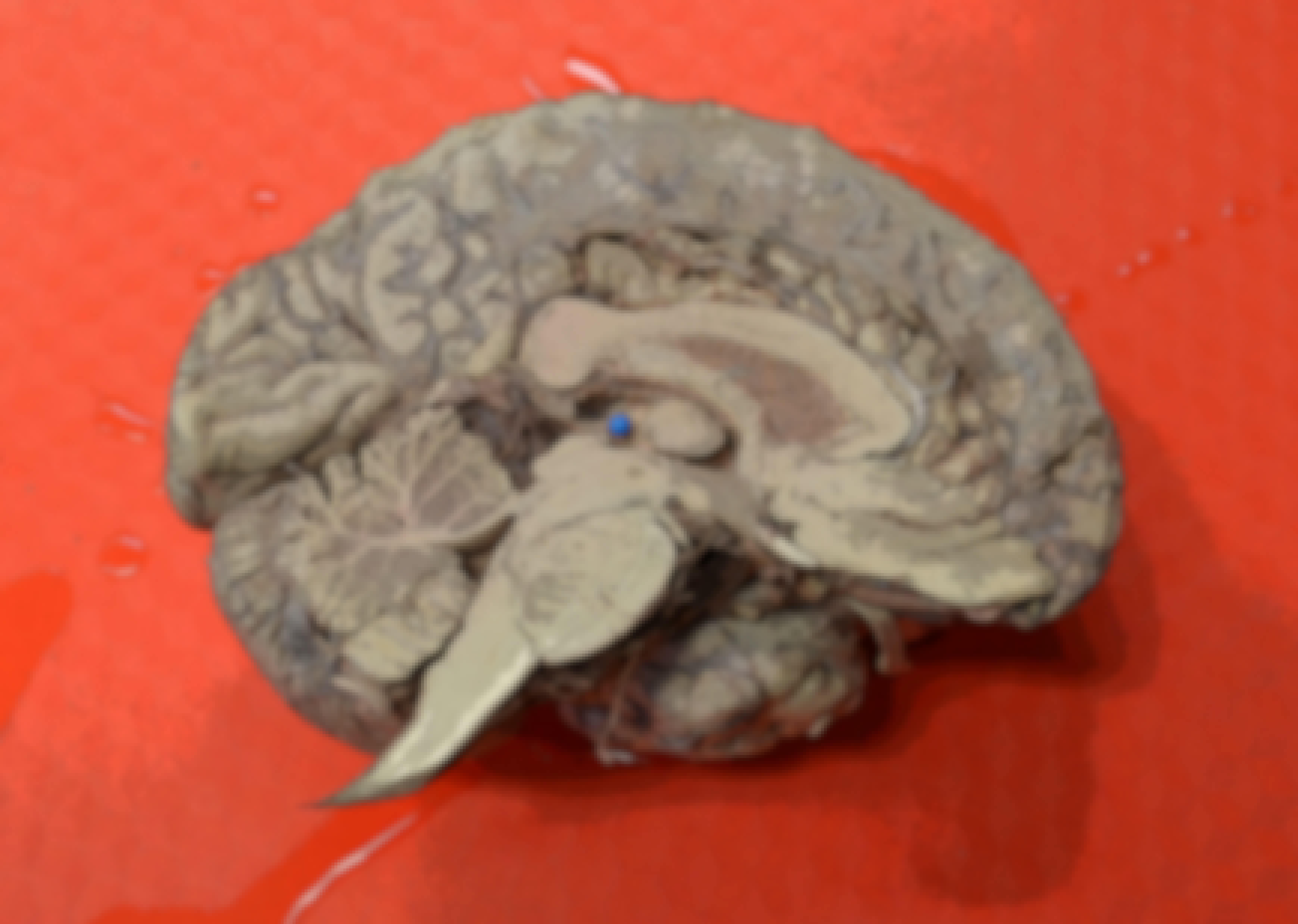 Status: Preview
The University of Chicago
Skills you'll gain: Sensory Systems Analysis, Neurology, Psychology, Physiology, Life Sciences, Anatomy, Behavioral Health, Electrophysiology, Human Musculoskeletal System, Mental Health Diseases and Disorders, Vital Signs, Cell Biology, Language Disorders, Coordination, Biology
 Status: Preview
Peking University
Skills you'll gain: Electrophysiology, Neurology, Anatomy, Molecular, Cellular, and Microbiology, Cell Biology, Molecular Biology, Life Sciences, Sensory Systems Analysis, Physiology, Biochemistry, Pathology, Laboratory Research, Scientific Methods, Research
 Status: Free Trial
Johns Hopkins University
Skills you'll gain: Magnetic Resonance Imaging, Neurology, Medical Imaging, Diagnostic Radiology, Anatomy, Image Analysis, Data Analysis, Correlation Analysis, Data Manipulation, R (Software), Radiology, Experimentation, Research Design, Laboratory Research, Statistical Analysis, Image Quality, Advanced Analytics, R Programming, Statistical Methods, Statistics
 Status: Free Trial
University of Cambridge
Skills you'll gain: Childhood Education and Development, Human Learning, Child Development, Psychology, Empathy & Emotional Intelligence, Sensory Systems Analysis, Teaching, Decision Making, Learning Theory, Instructional Strategies, K-12 pedagogy, Pedagogy, Learning Strategies, Developmental Disabilities, Empathy, Neurology, Magnetic Resonance Imaging, Electrophysiology, Human Development, Decision Intelligence
 Status: NewStatus: Free Trial
University of Minnesota
Skills you'll gain: Pharmacotherapy, Pain Management, Pharmacology, Pharmacy, Pharmaceuticals, Clinical Pharmacy, Patient-centered Care, Medical Prescription, Mental and Behavioral Health, Life Sciences, Neurology, Molecular Biology, Substance Abuse, Human Musculoskeletal System, Sensory Systems Analysis, Physiology, Biochemistry, Research, Critical Thinking and Problem Solving, Science and Research
 Status: Preview
Peking University
Skills you'll gain: Sensory Systems Analysis, Electrophysiology, Neurology, Anatomy, Physiology, Psychology, Mental Health Diseases and Disorders, Cell Biology, Psychiatry, Behavioral Health, Biology, Molecular Biology, Pathology, Pain Management
What brings you to Coursera today?
 Status: Preview
Duke University
Skills you'll gain: Sensory Systems Analysis, Neurology, Physiology, Anatomy, Life Sciences, Electrophysiology, Cell Biology, Psychology, Pathology, Molecular Biology
 Status: Preview
University of Michigan
Skills you'll gain: Substance Abuse, Mental Health, Respiration, Psychiatry, Neurology, Mathematical Modeling, Patient Safety, Physiology, Internal Medicine, Injury Prevention, Life Sciences, Cardiology, Mental Health Diseases and Disorders, Accident Prevention, General Medicine, Economics, Policy, and Social Studies, Public Health, Pharmacology, Public Health and Disease Prevention, Molecular Biology
 Status: Free Trial
University of Cambridge
Skills you'll gain: Sensory Systems Analysis, Human Learning, Psychology, Magnetic Resonance Imaging, Medical Imaging, Neurology, Research Methodologies, Research, Human Development, Learning Theory, Scientific Methods, Electrophysiology, Physiology
 Status: Free Trial
Johns Hopkins University
Skills you'll gain: Sensory Systems Analysis, Marketing Psychology, Influencing, Case Studies, Persuasive Communication, Advertising, Marketing Communications, Consumer Behaviour, Decision Making, Marketing Effectiveness, Neurology, Behavioral Economics, Marketing, Psychology, Anatomy
 Status: Free Trial
Icahn School of Medicine at Mount Sinai
Skills you'll gain: Matlab, Bioinformatics, Mathematical Software, Quantitative Research, Unsupervised Learning, Data Synthesis, Research, Mathematical Modeling, Molecular Biology, Simulation and Simulation Software, Pharmacology, Science and Research, Cell Biology, Biotechnology, Machine Learning Methods, Laboratory Research, Molecular, Cellular, and Microbiology, R (Software), Network Analysis, Biology
 Status: Free Trial
Lecturio
Skills you'll gain: Molecular Biology, Biochemistry, Cell Biology, Molecular, Cellular, and Microbiology, Life Sciences, Pharmacology, Biology
In summary, here are 10 of our most popular neurobiology courses
- Understanding the Brain: The Neurobiology of Everyday Life: The University of Chicago
- Advanced Neurobiology I: Peking University
- Neuroscience and Neuroimaging: Johns Hopkins University
- The science of mind and decision making: University of Cambridge
- Synaptic Pharmacology: University of Minnesota
- Advanced Neurobiology II: Peking University
- Medical Neuroscience: Duke University
- Sleep: Neurobiology, Medicine, and Society: University of Michigan
- Introduction to Cognitive Psychology and Neuropsychology: University of Cambridge
- Foundations of Neuroscience: Johns Hopkins University










